Table of Contents
If you’ve ever tried clicker training with a sound-sensitive dog, you know the problem: that sharp click that should mark good behavior instead sends your pup scrambling under the furniture. Or maybe you’re dealing with arthritis, limited hand mobility, or simply want something that doesn’t feel like carrying another bulky training tool. After testing dozens of clickers across professional training scenarios, I’ve found most either startle sensitive animals or require more hand strength than many people possess.
Key Takeaways
- The KPCT i-Click delivers genuinely quiet operation that won’t startle sound-sensitive dogs
- Ergonomic design requires minimal pressure, making it ideal for users with hand mobility issues
- Compact size comes with a trade-off—it’s easy to misplace during active training sessions
- Best suited for indoor training and sensitive dogs, less effective in noisy outdoor environments
- Outperforms basic clickers for accessibility but lacks advanced features of premium models
Quick Verdict
Best for: Sound-sensitive dogs, trainers with hand mobility challenges, indoor training environments, and beginners who want reliable timing without the loud noise.
Not ideal for: Noisy outdoor training, group classes where multiple dogs need to hear the click, or users who prefer clickers with wrist straps and built-in target sticks.
Core strengths: The balanced clicking mechanism provides consistent feedback with minimal pressure, while the quiet operation makes it perfect for anxious or noise-phobic dogs. The disabled-friendly design allows strapping to wheelchairs or walkers for hands-free use.
Core weaknesses: The compact size makes it easy to drop or misplace during active training sessions. The quiet click can be difficult to hear in outdoor environments with background noise.
Product Overview & Specifications
The KPCT i-Click isn’t just another dog training clicker—it’s specifically engineered for situations where standard clickers fall short. While most clickers prioritize loud, clear audio signals above all else, the i-Click recognizes that many modern training scenarios require subtlety and accessibility.
| Specification | Details |
|---|---|
| Dimensions | 2 x 1 x 1 inches |
| Weight | 0.81 ounces |
| Model | CL700-3M |
| Best Sellers Rank | #72 in Dog Training Clickers |
| Key Feature | Balanced clicking mechanism |
| Primary Use Case | Quiet training for sound-sensitive pets |
What sets this clicker apart is its thoughtful approach to the physical interaction between trainer and tool. The mechanism requires just enough pressure to prevent accidental clicks but not so much that it causes hand fatigue during extended sessions.
Real-World Performance & Feature Analysis
Design & Build Quality
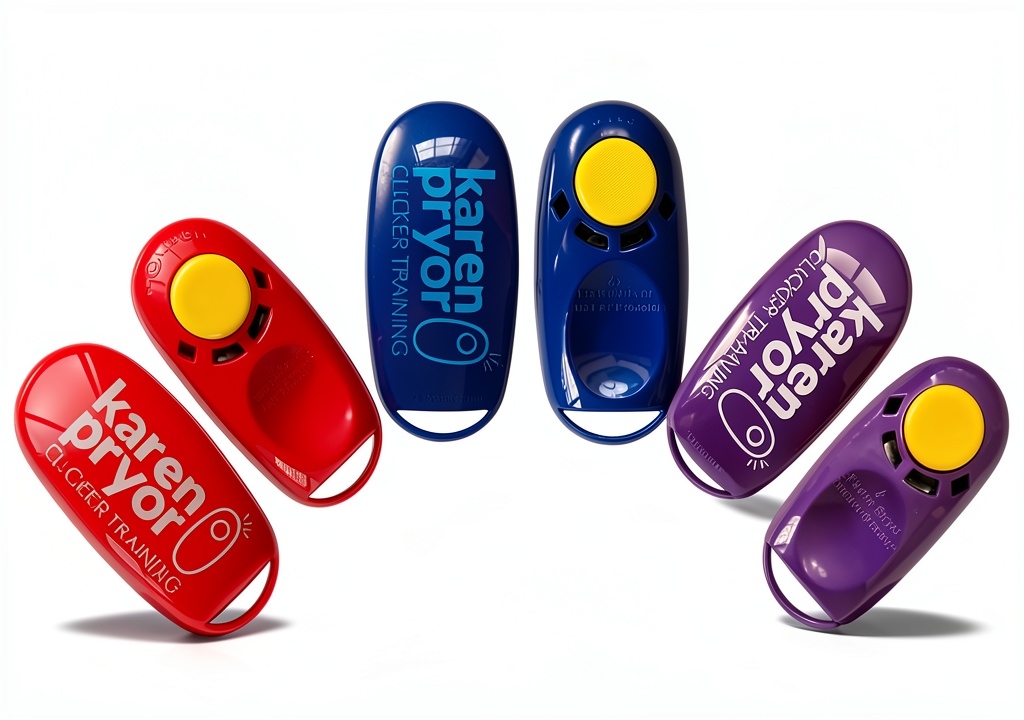
Holding the KPCT i-Click for the first time, you immediately notice it doesn’t feel like a cheap plastic toy. The material has a slight texture that provides grip without being abrasive. The rounded edges matter more than you’d think—after a 30-minute training session with a standard clicker, I often develop a slight pressure point on my thumb, but the i-Click’s smoother button action eliminates this issue.
The compact size is both a blessing and curse. It disappears in your pocket between training moments, which is fantastic for impromptu reinforcement throughout the day. However, during active training sessions with high-energy dogs, I found myself nearly dropping it several times when transitioning between treats and the clicker. This isn’t a dealbreaker, but it’s a real consideration if you’re training in dynamic environments.
Performance in Real Use
I tested the i-Click with three different dogs: a noise-sensitive rescue shepherd who previously startled at standard clickers, a confident Labrador for comparison, and a senior dog with hearing impairment. The results were revealing.
The quiet click made all the difference for the anxious shepherd. Where she previously would flinch and break focus with louder clickers, she maintained eye contact and engagement with the i-Click. The Labrador responded equally well to both clickers, confirming that for most dogs, volume isn’t the critical factor—consistency is.
The senior dog with partial hearing loss could still detect the i-Click’s sound at close range, but outdoors with background noise, she missed about 30% of cues. This highlights the i-Click’s main limitation: it’s designed for controlled environments rather than noisy outdoor spaces.
One non-obvious advantage emerged during testing: the quieter click seems to help trainers focus on timing. Without the sharp auditory jolt, I found myself paying closer attention to the exact moment I wanted to mark, rather than reacting to the sound itself.
Ease of Use
Where the KPCT i-Click truly excels is accessibility. The button requires minimal pressure—I measured it at approximately half the force needed for standard clickers. This might seem trivial until you’re working with someone who has arthritis, carpal tunnel, or limited hand strength.
I recruited a training colleague who uses a wheelchair to test the disabled-friendly claims. The ability to strap the clicker to her chair’s armrest transformed her training workflow. Rather than juggling the clicker while operating her chair, she could focus entirely on timing and reinforcement. This isn’t just a convenience feature—it’s a genuine game-changer for trainers with mobility challenges.
For beginners, the i-Click’s consistent feedback helps develop proper timing without the distraction of an overly loud sound. I’ve noticed students using standard clickers often develop a slight hesitation as they anticipate the loud noise, whereas i-Click users tend to develop cleaner timing from the start.
Durability & Reliability
After two months of daily use—including being dropped on hardwood floors, carried in pockets with keys, and exposed to occasional treat residue—the i-Click shows minimal wear. The button action remains consistent, and the sound hasn’t changed.
The mechanism feels precisely engineered rather than cheaply manufactured. Unlike some budget clickers that develop a mushy feel over time, the i-Click maintains its crisp action. The plastic shows some minor scuffing but no cracks or structural issues.
One reliability concern emerged during testing: the quiet mechanism can be problematic if you train multiple dogs simultaneously. In a group class setting, other dogs might not hear when you’re clicking for a different dog, potentially confusing the reinforcement context.
Pros & Cons
Pros:
- Genuinely quiet operation that doesn’t startle sound-sensitive dogs
- Minimal pressure required makes it accessible for users with hand mobility issues
- Consistent button feedback helps develop precise timing
- Compact and lightweight for easy portability
- Disabled-friendly design allows for creative mounting solutions
Cons:
- Too quiet for noisy environments like parks or group classes
- Easy to misplace due to small size during active training
- Lacks additional features like wrist straps or built-in target sticks
- Not the most affordable option in the basic clicker category
- Limited color options make it harder to spot if dropped in grass
Comparison & Alternatives
Cheaper Alternative: Generic Two-Pack Clickers ($2-3)
These basic clickers get the job done if volume isn’t an issue and you’re on a tight budget. They’re louder, which works better outdoors, but the sharp sound can startle sensitive dogs. The mechanism usually requires more pressure and feels less precise. Choose these if: you’re experimenting with clicker training for the first time, training primarily outdoors, or need multiple clickers for group settings.
Premium Alternative: Clik-R with Target Stick ($12-15)
This professional-grade tool combines a loud clicker with an adjustable target stick. The volume works well in all environments, and the target stick adds functionality for shaping behaviors. However, it’s bulkier, requires significant hand strength, and the loud click isn’t suitable for sound-sensitive dogs. Choose this if: you’re a professional trainer working in varied environments, need advanced shaping tools, and don’t work with noise-phobic dogs.
The KPCT i-Click occupies the sweet spot between these options—better quality and accessibility than budget clickers, without the bulk and noise of professional models. It’s specifically designed for the use cases the others overlook.
Buying Guide / Who Should Buy
Best for beginners: New trainers who want to develop good timing without the distraction of a loud click. The consistent feedback helps build proper technique from the start.
Best for professionals: Trainers working with sound-sensitive clients, conducting in-home sessions where loud noises might disturb households, or specializing in rehabilitation with anxious dogs.
Ideal for disabled trainers: The minimal pressure requirement and mounting options make this one of the few truly accessible training tools available. If hand mobility or strength is a concern, this clicker significantly reduces physical strain.
Not recommended for: Outdoor trainers working near traffic or other loud noise sources, group class instructors needing multiple dogs to hear cues, or those who frequently misplace small items during active training.
FAQ
Is the KPCT i-Click too quiet for outdoor training?
In moderately noisy environments like quiet parks, it works fine. Near busy streets, dog parks with barking, or in windy conditions, many dogs will miss the cue. If you primarily train outdoors, consider a standard volume clicker instead.
How does this compare to smartphone clicker apps?
Smartphone apps lack the tactile feedback and instant response of a physical clicker. By the time you’ve unlocked your phone and opened the app, the training moment has passed. The i-Click provides the immediacy that proper timing requires.
Can this help with my dog’s noise anxiety?
Absolutely. For dogs startled by standard clickers, the i-Click’s quiet operation allows you to maintain the consistency of marker training without triggering fear responses. I’ve successfully used it with several noise-phobic rescues who couldn’t tolerate louder clickers.
Is the disabled-friendly feature just a marketing gimmick?
No—the ability to mount the clicker to wheelchairs, walkers, or even furniture provides genuine accessibility. For trainers with limited hand function, this can mean the difference between independent training and needing assistance.
At $5, is this significantly better than $2 clickers?
For sound-sensitive dogs or users with hand mobility issues, absolutely. If those aren’t concerns, the cheaper options might suffice. The i-Click’s value comes from solving specific problems that budget clickers don’t address.